1M + Operational efficiency
300% Design productivity
50% Time to market reduction
24 Implemented products
Context
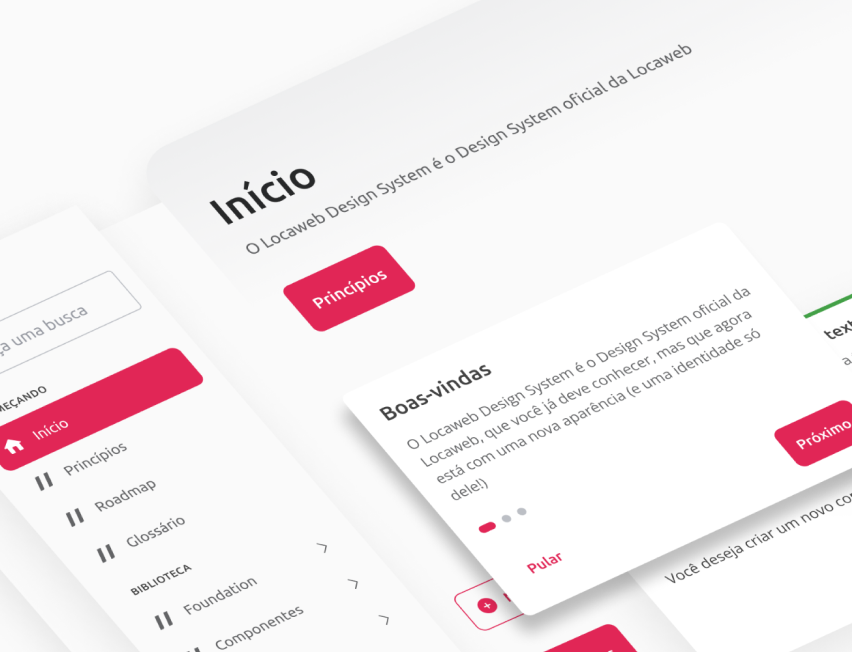
LWSA is one of the largest technology companies in Brazil, operating an ecosystem composed of dozens of digital products, multiple brands, and several design and engineering teams.
Within the Locaweb context, the absence of a corporate Design System led to visual and experiential inconsistencies, frequent rework, difficulty scaling design decisions, an excessive number of errors and bugs that burdened engineering teams, and a direct impact on product time-to-market.
The goal of this initiative was to create a scalable, multibrand, and technology-agnostic Design System, capable of supporting both the current and future needs of the organization.
Before the project, the main challenges identified were:
In addition, the system needed to be flexible enough to support multiple brands within the group without compromising coherence or operational efficiency.
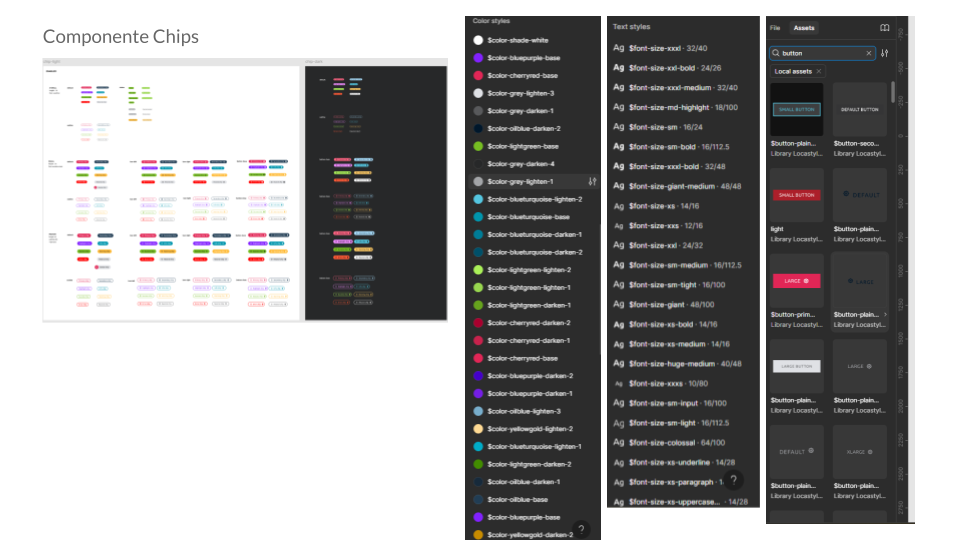
I acted as the project lead, responsible for defining the strategic vision, establishing governance, and driving the execution of the Design System.
The main areas of focus were:
The work was conducted incrementally, prioritizing high-impact deliveries and constant validation with the Design System’s consumer teams.
People: I gathered feedback from previous leadership cycles, historical performance evaluations, and available financial targets. Based on these inputs, two team members were offboarded, and one highly motivated professional from another team was reassigned to the initiative. Two additional hires were made later to strengthen the team.
Assets: I conducted a comprehensive inventory of all product journeys, documenting every type of UI element used, their recurrence, and reuse across environments. This enabled us to define component coverage goals based on the company’s most critical products.
Governance: For the Design System to scale, it required a collaborative and independent governance model, avoiding dependency on a single team and preventing process bottlenecks.
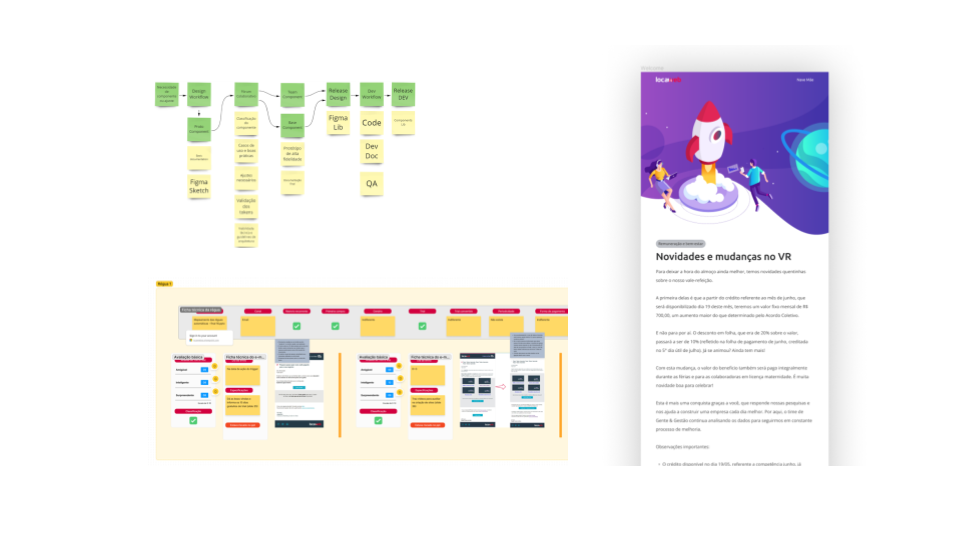
I designed a collaborative process with an open forum where any designer could contribute, supported by clearly defined decision levels and autonomy. We established recurring rituals to evaluate and classify contributions as base components, team components, or local components.
After six months of focused effort, we delivered a fully technology-agnostic, multibrand, collaborative, and scalable Design System.
Several initiatives and roadmaps were created to drive adoption across product strategies. Due to NDA constraints, further details cannot be disclosed.
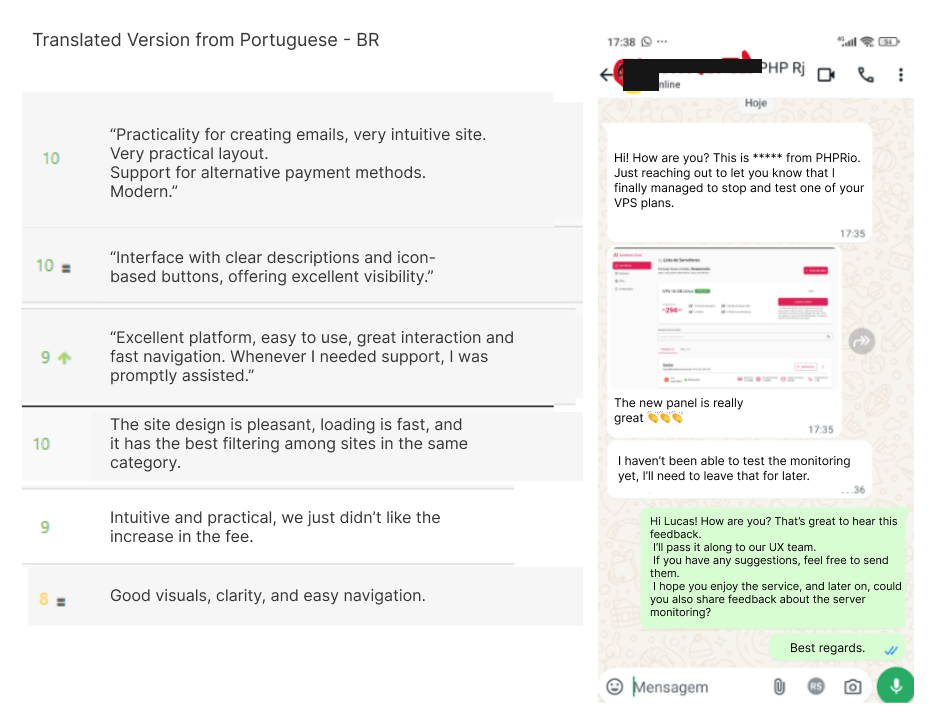
However, the following results were observed within the first year:
As company financial data cannot be disclosed, the following example uses hypothetical figures based on average salaries in São Paulo sourced from Glassdoor.
Average monthly salaries:
Team composition:
Estimated monthly investment (excluding taxes and benefits):
BRL 55,000
The Design System tripled designer productivity and doubled developer delivery speed.
Result per team:
With more than four teams using the Design System, the total efficiency gains easily exceeded BRL 1 million annually.
It is important to emphasize that this does not imply layoffs. Instead, it reflects increased delivery capacity, allowing teams to focus on more strategic initiatives rather than purely operational work.
Team composition also varied and was not limited to mid-level professionals.
Although these figures are hypothetical, they provide a clear framework for readers to assess similar impacts using their own organizational data.
This project reinforced essential principles for design leadership at scale:
At the time of this publication, the Design System had evolved across multiple areas:

It will be a pleasure to talk about projects,
aspirations, and opportunities.