Design Chapter Creation

Agile

Chapter Build

Management

Strategy

UX Culture

Conversar Conectar Contatar Conversar

Context and Challenge

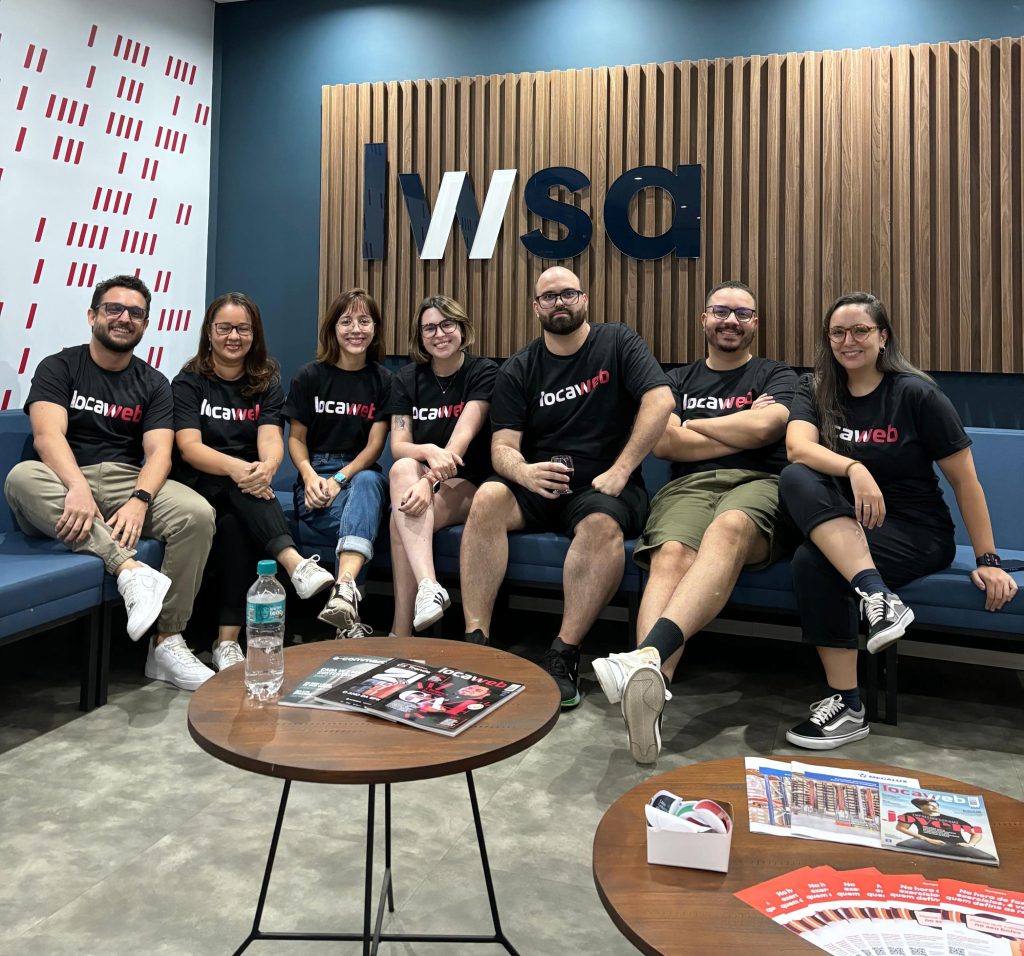
When I joined Locaweb as a Design Leader, I encountered an existing design structure that had been weakened by a long period without leadership. The team, composed of six designers, reported directly to Product Management and operated without clear processes, documentation, alignment, or consistency.

Design was internally perceived as a disorganized discipline, with high levels of rework, low predictability, and limited strategic influence. Leadership was aware of the issue, and my hiring had the explicit goal of restructuring design and restoring its relevance within the organization.

Diagnosis

The initial diagnosis revealed:

  • Lack of functional processes
  • Absence of scalable standards and artifacts
  • No governance model in place
  • Constant friction with Product and Engineering
  • Low collective and individual maturity

It became clear that this was not a matter of isolated adjustments, but rather the need to build a solid, structured, and scalable Design Chapter from the ground up.

Strategy and Vision

I defined the vision of building a Design Chapter capable of:

  • Operating efficiently in the short term
  • Scaling with quality in the medium and long term
  • Supporting strategic business decisions

To achieve this, I developed:

  • Operationally optimized processes
  • Clear working agreements
  • Standardized and scalable artifacts
  • A single centralized documentation hub consolidating all design knowledge

Chapter Structure

The chapter was structured using a chapter model distributed across squads, ensuring close collaboration with products while maintaining strong disciplinary alignment.

The following were defined:

  • Clear roles including Product Designers, Content Designers, UX Writers, UX Researchers, and Design Operations
  • Well-defined seniority levels
  • Clear criteria for responsibilities and scope per role

Governance, Processes, and Quality

I implemented weekly and biweekly rituals focused on:

  • Artifact quality
  • Continuous team development
  • Strategic alignment

In addition, I established:

  • Chapter roadmap governance
  • Continuous enrichment of the research knowledge base
  • Structured spaces for conflict and tension resolution
  • Quality processes aligned with design, brand, and design system guidelines

Processes were designed to cover the entire lifecycle:

  • Discovery
  • Research
  • Prototyping
  • Delivery
  • Interface reviews
  • Design critiques
  • Design System governance
  • Handoff

People, Culture, and Development

During this cycle, the chapter grew from 6 to 19 people. I was responsible for:

  • Hiring and offboarding
  • Individual and collective development
  • Strategic allocation of designers into squads based on skills and challenges

I established:

  • Clear agreements around autonomy and accountability
  • Weekly feedback
  • Biweekly one-on-one meetings
  • Structured Individual Development Plans

As a differentiator, I developed AI-powered agents to support designers in defining their next career steps, based on studies and documentation produced within the chapter itself.

Organizational Impact

After a few months, Design:

  • Gained consistency and predictability
  • Became part of the strategic product decision-making process
  • Earned an active voice alongside Engineering in Design System decisions

The chapter also contributed to strategic company initiatives, including:

  • Design System structuring and evolution
  • Facilitation of strategic group-level meetings
  • Support in company analysis for M&A processes

Results

  • Significant reduction in cycle time
  • Shorter onboarding and learning curve for new designers
  • Increase in Net Promoter Score
  • Substantial productivity gains through Design System adoption
  • Stronger perception of Design as a strategic discipline

Learnings

The main challenge was designing processes that could effectively support multiple disciplines, including Product Owners, Product Managers, Agile Coaches, and Developers. In hindsight, I would further separate workflows and establish more explicit handoff agreements.
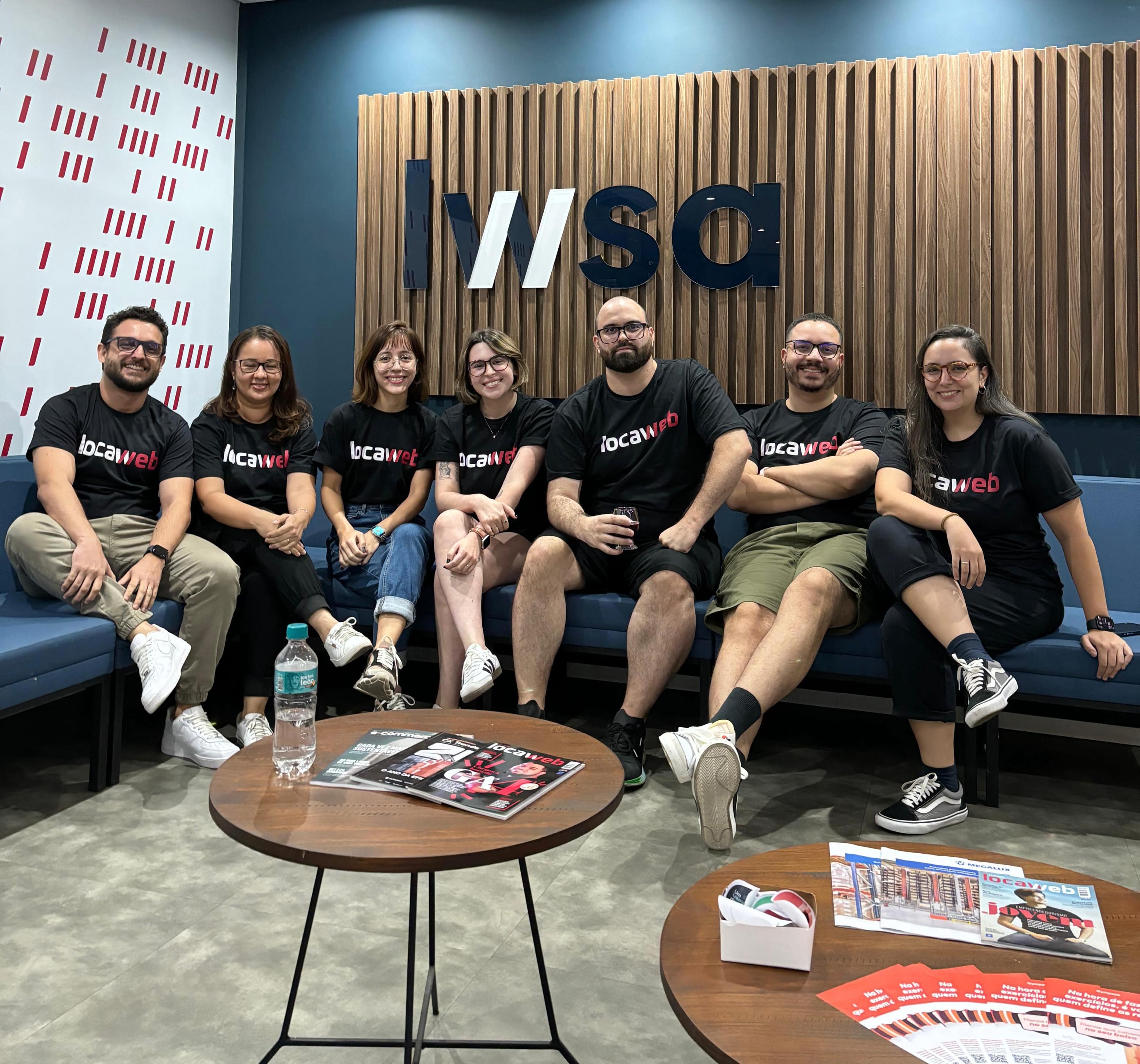

“Consistency and a well-structured foundation are capable of producing strategic results at scale, with high quality.”


So, shall we talk?

It will be a pleasure to talk about projects,
aspirations, and opportunities.

Schedule a talk